THE MUSEUM PROTOCOL · HPAOC2016
The Physical Workstation as a Cybersecurity Artifact.
HPAOC2016 stands for Hardware-Based Physical Actuator for Office Computing, model 2016. It is an EAM LLC concept connecting human input, physical computing boundaries, and accountable museum operations.
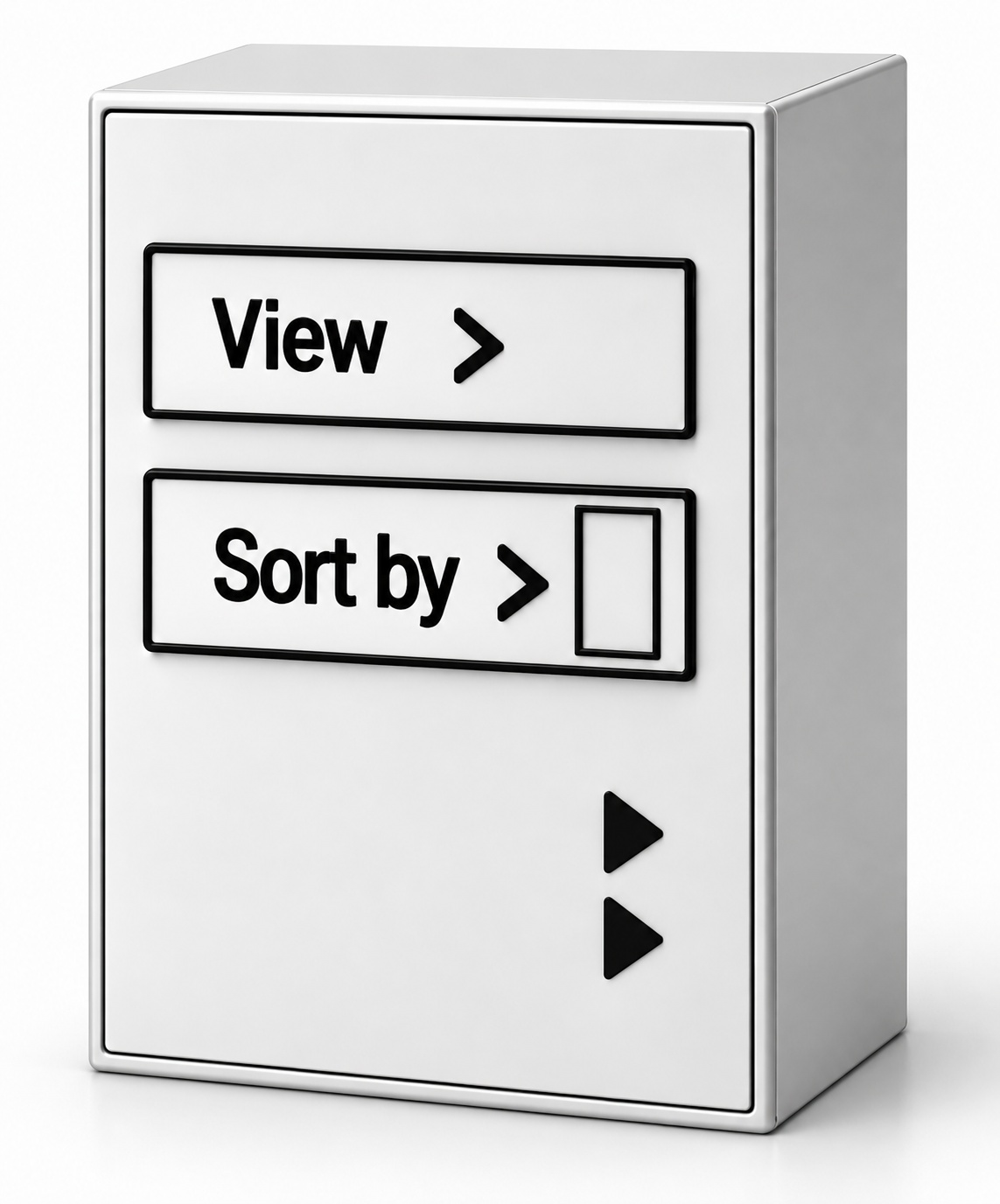 HPAOC2016 — Three-dimensional interpretation of the
original 2016 visual composition. EAM LLC.
HPAOC2016: The Image Before the Infrastructure
The concept centers on an AOC monitor and HP LV290AA wireless keyboard and mouse. Anthony E. Skinner Jr. uses this workstation as both a security architecture reference and a canvas for Cybersecurity as Fine Art.
Reading the HPAOC2016 Image
The three-dimensional illustration presents the visual composition of HPAOC2016 as Cybersecurity as Fine Art. "View >" represents observation, while "Sort by >" represents organization.
The single vertical rectangle attached to "Sort by >" is a distinct compositional element. Two smaller, vertically stacked, solid-black triangles represent directional progression.
These are artistic interpretations of the visual elements, not demonstrations of operational cybersecurity controls.
HPAOC2016: Physical Hardware Documentation
The following photographs document the physical hardware associated with the HPAOC2016 concept: the HP LV290AA wireless keyboard and mouse, and the AOC e2343Fk monitor.
These photographs provide component identification and physical reference information. They do not establish that an air-gapped system has been implemented or independently tested.
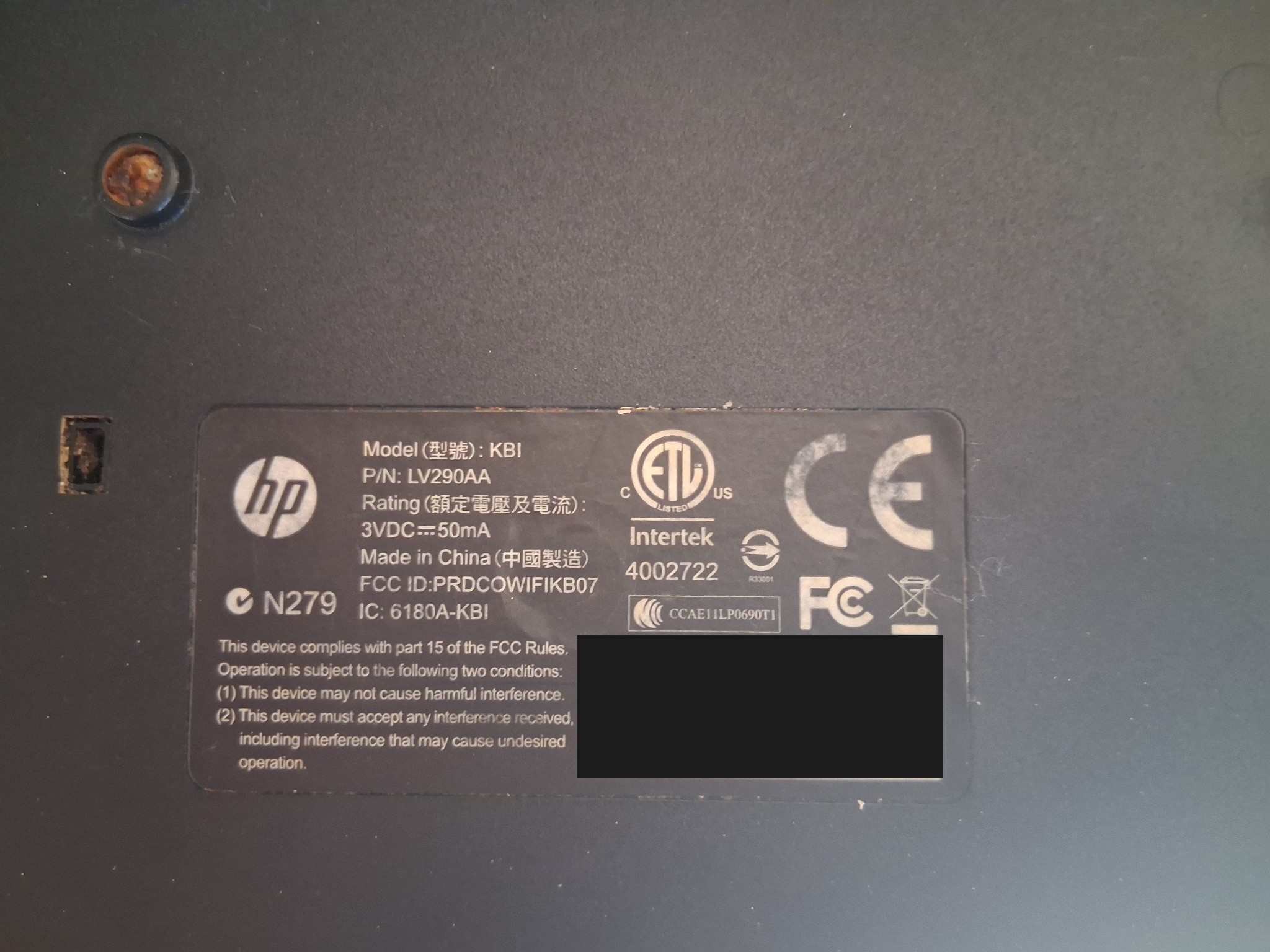 HP LV290AA — Keyboard identification
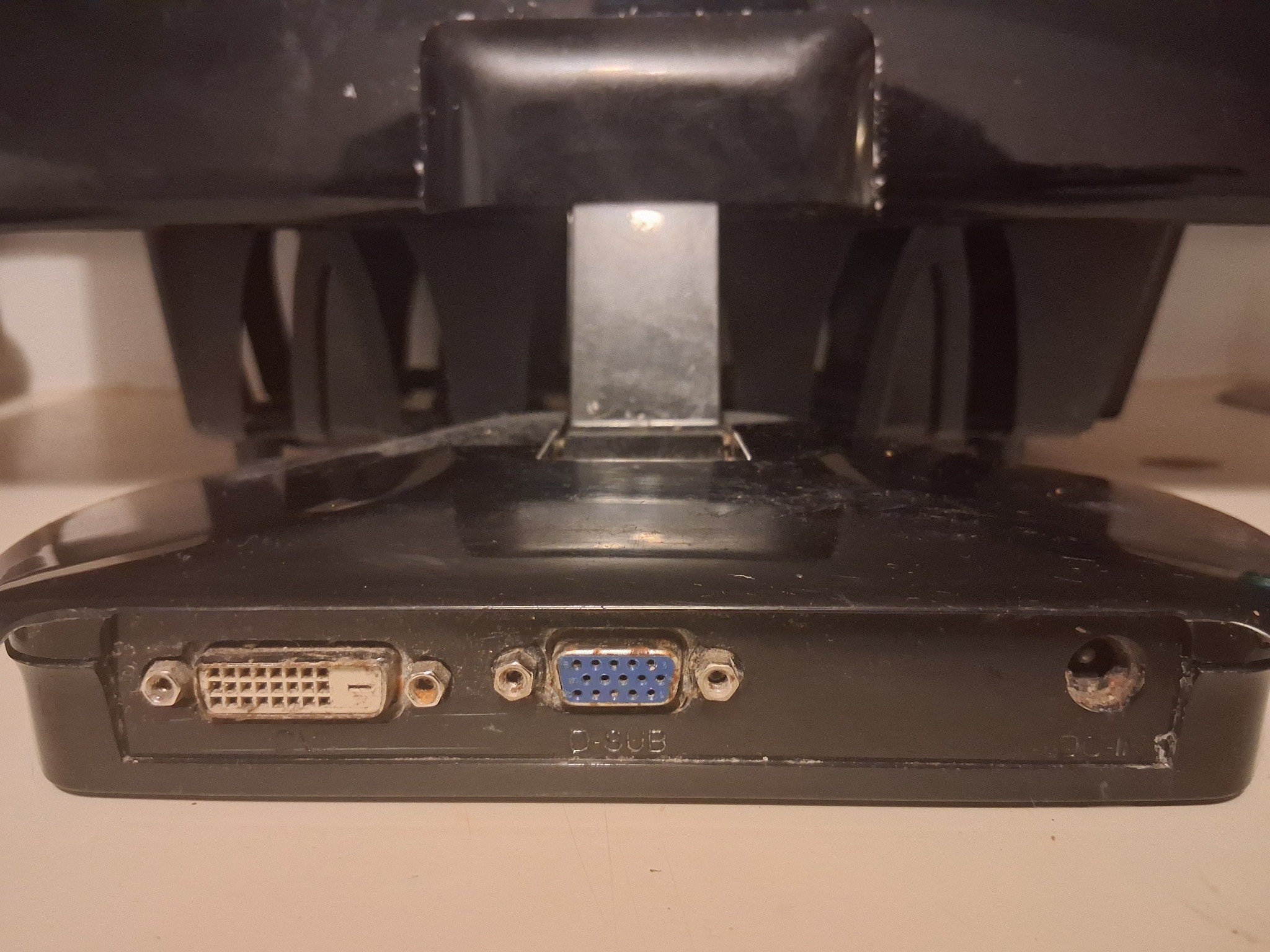 AOC monitor — Physical connection interfaces
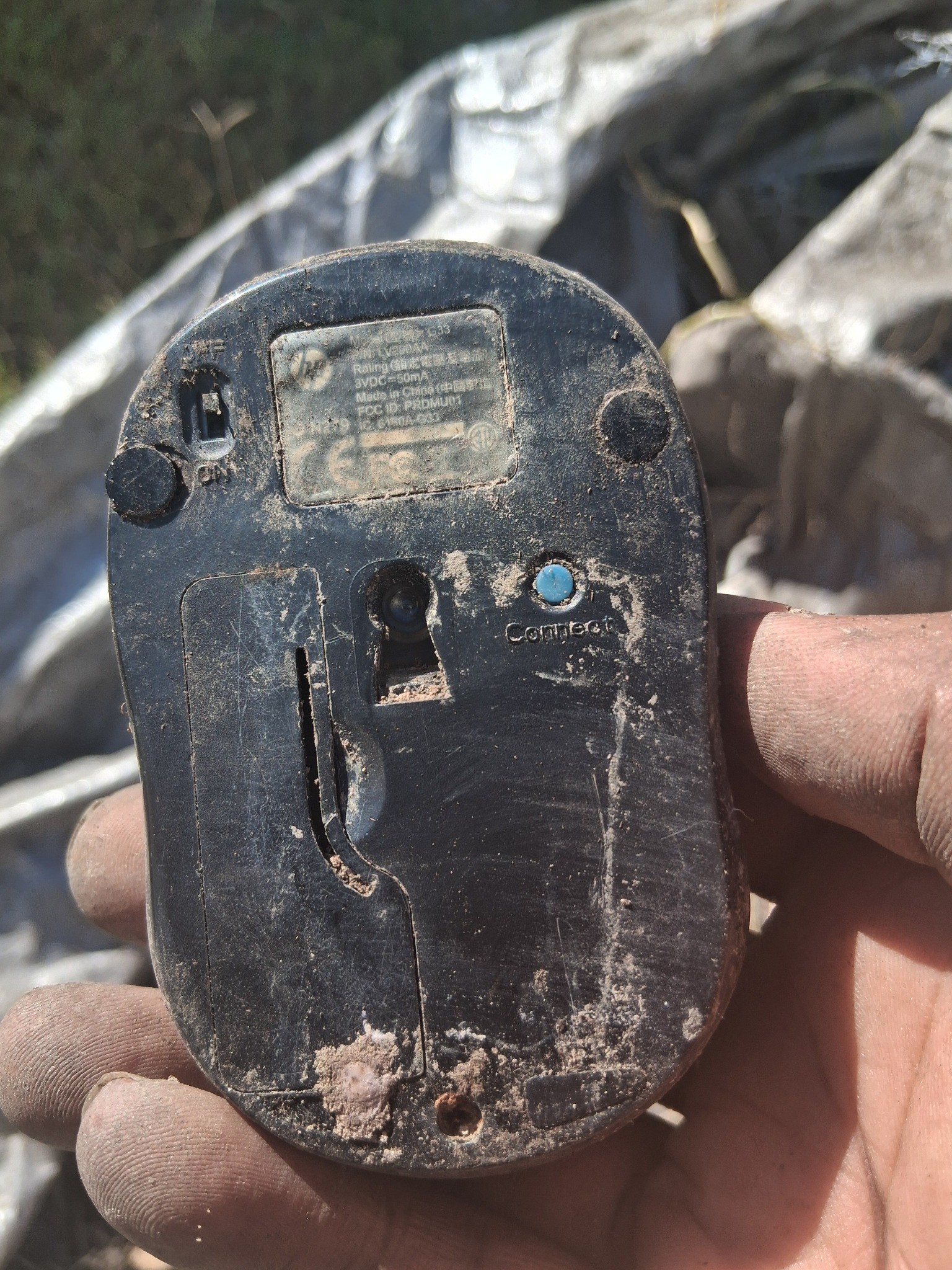 HP wireless mouse — Physical input device
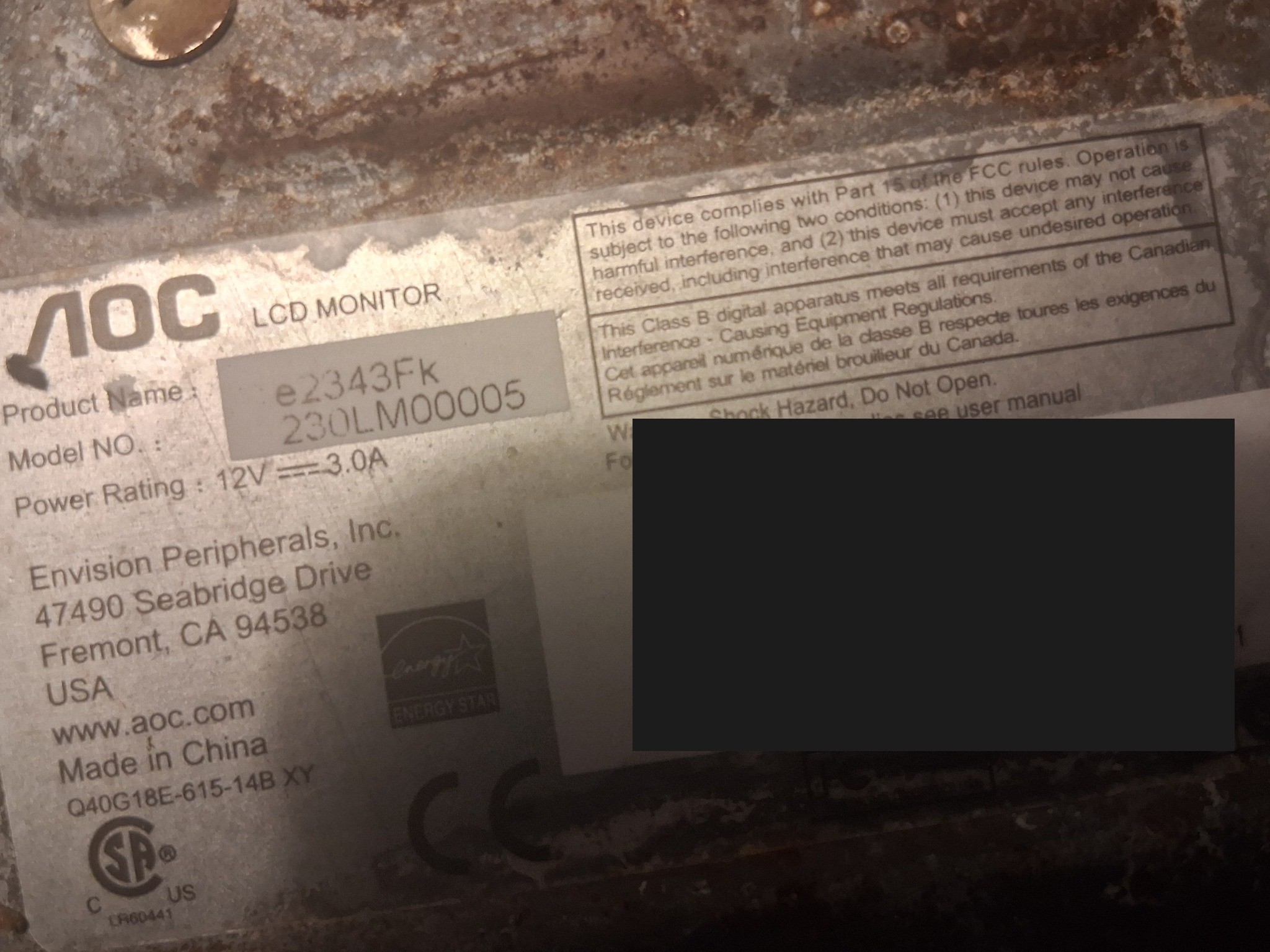 AOC e2343Fk — Monitor identification
HPAOC2016: OEM Technical Overview
Hardware-Based Physical Actuator for Office Computing, Model 2016. Developed by Empire Art Management LLC (EAM LLC) as an original fine-art concept and proposed physical air-gap computing demonstration for museums and institutional environments.
Documented Hardware
- HP LV290AA wireless keyboard and mouse: physical input peripherals.
- AOC e2343Fk monitor: visual display and connection interface.
Proposed Architecture
Air-Gap First. Zero Trust Architecture and QuantyGRC governance are separate architectural and operational layers.
HPAOC2016 — Hardware Allocation Register
EAM LLC maintains separate equipment assignments for artwork preservation, historical reference, exhibition, security validation, and backup testing.
| Asset ID | Equipment | Assigned Purpose |
|---|---|---|
| HPAOC2016-ART-001 | Unopened HP LV290AA#ABA | Preservation and provenance |
| HPAOC2016-REF-001 | Recovered KBI keyboard and G33 mouse | Historical reference |
| HPAOC2016-EXH-001 | Proposed $38.99 LV290AA kit | Live exhibition (proposed) |
| HPAOC2016-AG-001 | HP EliteDesk 705 G4 Mini + AOC e2343Fk | Security validation (planned) |
| HPAOC2016-BCK-001 | HP X3000 G3 mouse | Backup input testing |
The original collection is preserved separately from functional test equipment. HPAOC2016-AG-001 remains planned and has not established security certification.
Hardware Inventory Status
The original HP LV290AA mouse has been located; however, its USB wireless receiver (dongle) is currently missing.
Replacement test peripherals may be used for engineering evaluation. Original HPAOC2016 hardware is documented separately from the functional test configuration.
Engineering Validation
Initial HPAOC2016-AG-001 testing will use wired USB keyboard and mouse peripherals to eliminate dependency on the missing LV290AA wireless receiver. These peripherals are engineering test equipment and do not replace or alter the preserved HPAOC2016 collection.
Hardware photographs document component identification. They do not demonstrate a tested or certified air-gapped system. HPAOC2016-AG-001 is the proposed validation procedure.
View HPAOC2016-AG-001 Physical Air-Gap Test Plan →
HP OEM Review Purpose
EAM LLC seeks technical and commercial review of a proposed integration involving HP peripherals. No HP endorsement, OEM authorization, or security certification is implied.
The Museum Origin: 2014
In January 2014, Anthony E. Skinner Jr. participated in an artistic presentation associated with the Martin Luther King Jr. Freedom Celebration in St. Louis.
On July 24, 2014, Anthony Skinner, identified with Empire Art Management LLC, entered into an independent contractor agreement with the Saint Louis Art Museum for an artist performance associated with the St. Louis African American Artifacts and Bazaar at the Scott Joplin House.
This professional engagement forms part of the historical background of HPAOC2016, developed in 2016 as an original fine-art concept exploring human control, computing interfaces, and museum accountability.
The Fine-Art Decision: 2016
In 2016, Anthony E. Skinner Jr. transformed familiar computer interface elements into an original visual composition. HPAOC2016 examines the relationship between the human operator, the screen, and the decisions made around an institutional asset.
View > represents observation.
Sort by > represents organization.
Q W E R T Y U I O P represents ten rectangular controls arranged as a deliberate visual sequence.
> > represents direction and progression from observation toward action.
As fine art, the image communicates human control. It may be exhibited or licensed under appropriate agreements. As cybersecurity, a separate engineered and tested system is required to establish an air gap.
From Museum Engagement to Masterpiece: 2014–2016
Following his 2014 artistic engagement with the Saint Louis Art Museum, Anthony E. Skinner Jr. developed HPAOC2016 as a new expression of Cybersecurity as Fine Art.
The artistic challenge was to create a work that could exist independently as a museum exhibition image while also introducing a practical question: How does an institution control and document human interaction with its assets?
HPAOC2016 represents the artist's proposed continuation of his museum practice, rather than an automatic renewal of an institutional contract. The image may be exhibited or licensed as fine art. A cybersecurity deployment requires a separate technical assessment and agreement.
One origin. Two applications. The image makes the decision visible. The architecture makes the control testable.
HPAOC2016 Image Licensing
License the image. Evaluate the infrastructure separately.
HPAOC2016 is presented as an original fine-art concept by Anthony E. Skinner Jr., developed in 2016 through EAM LLC's practice of Cybersecurity as Fine Art.
Museums, cultural institutions, educators, publishers, and businesses may request permission to reproduce or exhibit the HPAOC2016 image under a written licensing agreement.
Standard commercial image license: $1,500 (proposed).
Educational, editorial, exhibition, advertising, institutional, and exclusive uses are quoted separately according to scope, duration, distribution, and permitted reproduction.
Image licensing does not include ownership of the underlying artwork, HP or AOC hardware, software, cybersecurity deployment, air-gap certification, or institutional security services.
One image. Two distinct decisions. The artwork may be licensed for visual presentation. An air-gapped workstation requires separate engineering, testing, and authorization.
Request an Image License →Air-Gap First
HPAOC2016 explores a physical control boundary and an offline verification workflow. A monitor and wireless peripherals alone do not establish an air gap. Any operational deployment requires independently validated isolation, configuration, evidence handling, and institutional approval.
Three Connected Layers
Endpoint Security Architecture
EAM LLC approaches endpoint security through physical isolation, device configuration, trusted peripheral control, and institutional cybersecurity governance.
HPAOC2016 explores an air-gapped workstation concept. This physical security layer is distinct from software-based Endpoint Detection and Response (EDR), Next-Generation Antivirus (NGAV), and endpoint telemetry.
Enterprise endpoint security architectures may integrate host-based monitoring, behavioral detection, vulnerability management, SIEM correlation, and incident-response workflows. CrowdStrike Falcon is one example of an EDR platform relevant to these architectures.
QuantyGRC provides the governance perspective through security control documentation, risk assessment, remediation tracking, and compliance evidence. Proposed HPAOC2016 physical isolation capabilities require independent engineering validation.
The Tilt
The Tilt is Anthony's artistic method for making security visible. It asks who controls an asset, what is protected, where the evidence lives, why access is authorized, and whether the institution can prove the control operated.
Explore the Software Sandbox →